
TABLE OF CONTENTS
- Vista - Silence Reset Trouble Beeps
- Vista—Replace Backup Battery
- Honeywell 5800MINI—Battery Replacement
- Honeywell 5800PIR-RES—Battery Replacement
- Honeywell 5816 – Battery Replacement Guide
- Battery Replacement for 5820L Door/Window Sensor
- Glassbreak Detector Battery Replacement (Ademco/Honeywell 5853 and 5850, ShatterPro)
Vista - Silence Reset Trouble Beeps
1. Enter User Code then press 1 OFF to silence trouble beeps
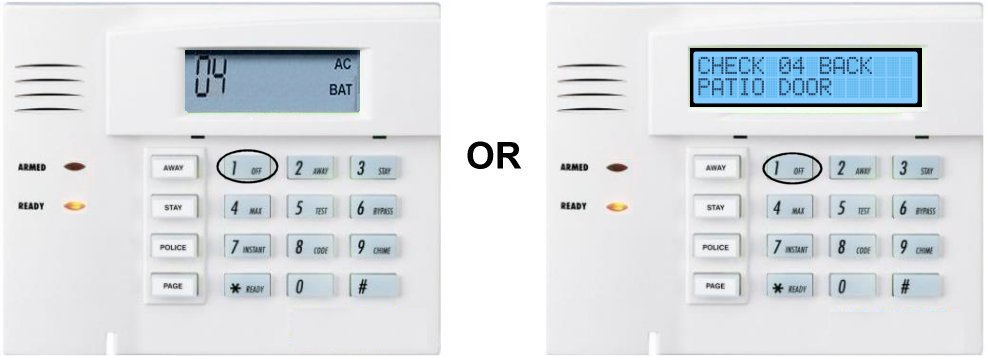
2. Enter User Code and 1 OFF again to clear trouble
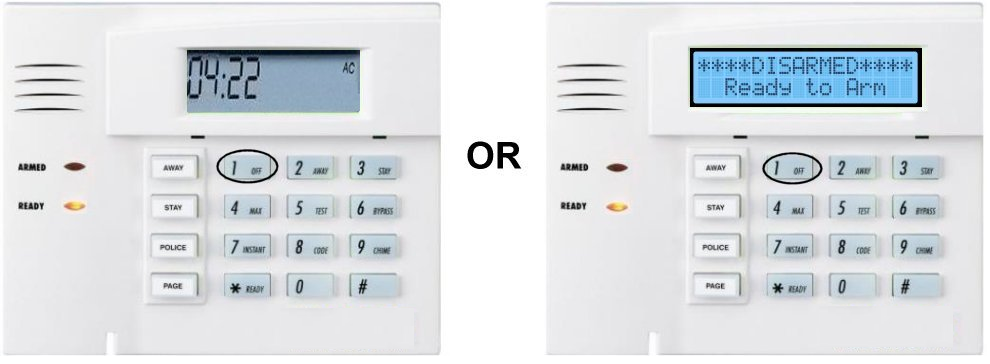
Note: Trouble beeps can be silenced but will not clear until the trouble ends or has been corrected
Vista—Replace Backup Battery
Follow the instructions below to replace the backup battery in your system's panel. The Honeywell Vista panel requires a rechargeable (sealed lead-acid type) 12VDC, 4AH minimum battery pack rated for 24 hours, which can be purchased at your local hardware, mass retailer, or battery store. You can also purchase here. You may also text a Support Representative at 718-360-9191 to order one.
- With your panel in a disarmed state, start by removing A/C power from the panel.
- Open the panel box (usually located in a in closet), and remove any screws that may be securing the cover.

- Disconnect the battery by removing the red wire then the black wire. Remove and replace the battery.
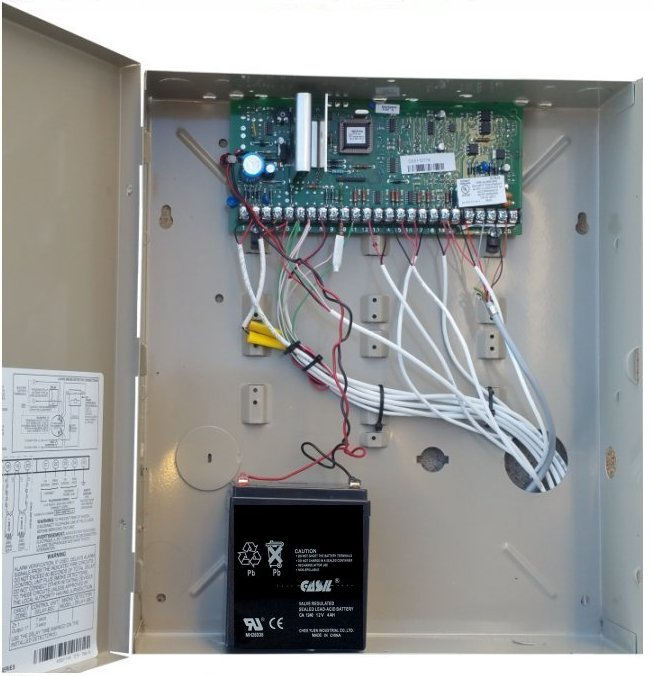
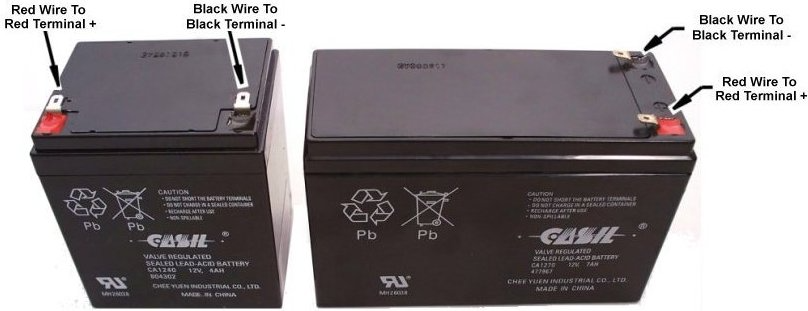
- Reconnect the 12-volt, 4–7 amp, battery ensuring the red wire is connected to the red terminal and the black wire is connected to the black terminal.
- Reconnect A/C power to the system.
Clear the Panel Alert
See instructions below for how to clear the error alert and stop alert beeping on your panel.
1. Enter your user code, then press 1 to silence the trouble beeps.
2. Enter your user code again, then press 1 to clear any current trouble displayed. The trouble will not reset until the core problem has been corrected.
Honeywell 5800MINI—Battery Replacement
When it is time to replace the battery in your Honeywell 5800MINI door/window sensor, you will see an alert on your system panel, as well as a notification in the Total Connect App
Follow the instructions below to replace your battery and clear the alert from your system. The Honeywell 5800MINI sensor requires a CR2032 3-volt lithium battery, which can be purchased at your local hardware, mass retailer, or battery store. You may also order these online here or at your preferred online retailer
Step-by-Step Instructions:
1. Insert a screwdriver into the slot on the side of the sensor and twist to open.
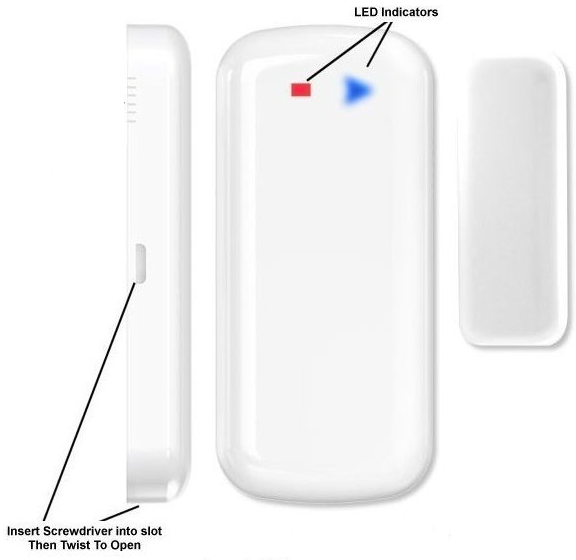
2. Pry open the holders that store the battery, then remove and replace the CR2032 3-volt lithium battery., ensuring the writing is face up.
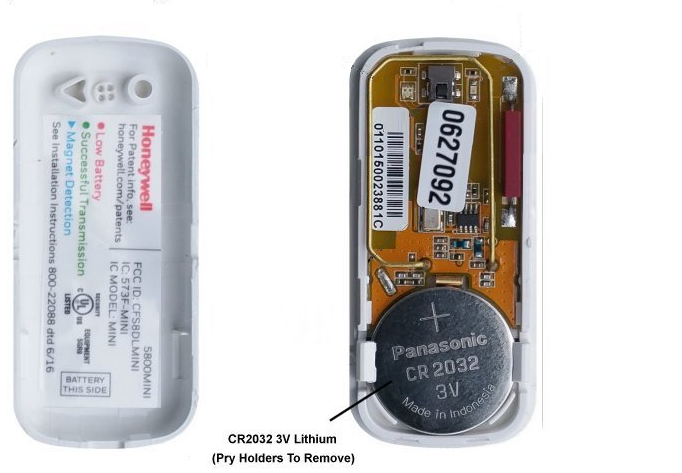
3. Return the cover to the sensor, and press closed until cover snaps into place.

4. Check if the low battery status has cleared or go to the following link for further instructions on clearing the error from the panel memory:
Honeywell 5800PIR-RES—Battery Replacement
When it is time to replace the battery in your Honeywell 5800PIR-RES motion detector, you will see an alert on your system panel, as well as a notification in the Total Connect App
Follow the instructions below to replace your battery and clear the alert from your system. The Honeywell 5800PIR-RES motion detector requires a CR123A 3-volt lithium battery, which can be purchased at your local hardware, mass retailer, or battery store. You may also order these online here or at your preferred online retailer.
Step-by-Step Instructions:
1. Press the bottom tab to remove the front cover.
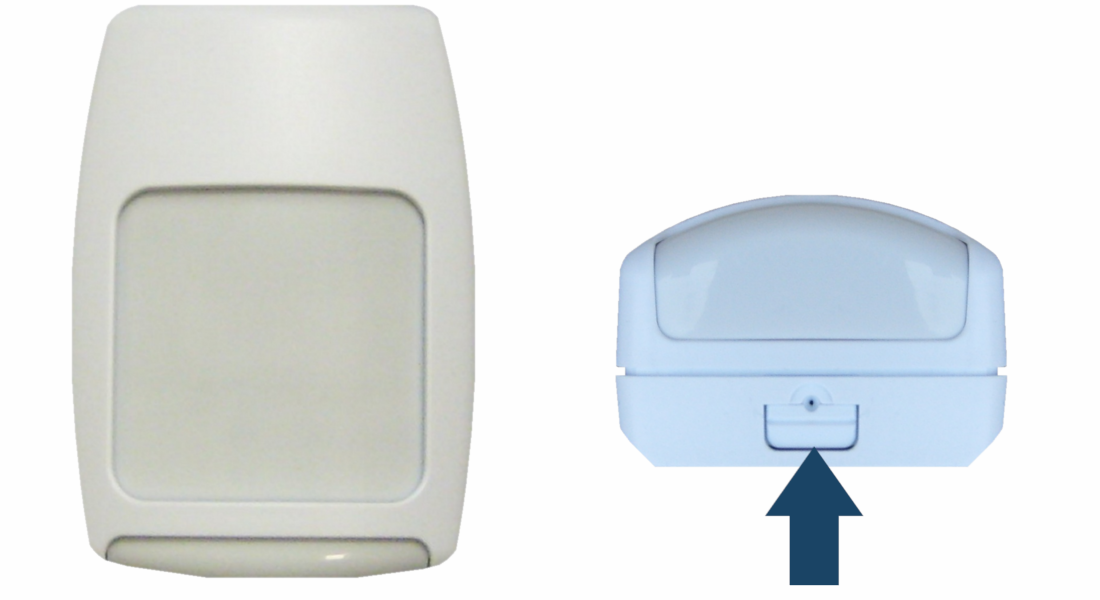
2. Remove and replace the CR123A 3-volt lithium battery.
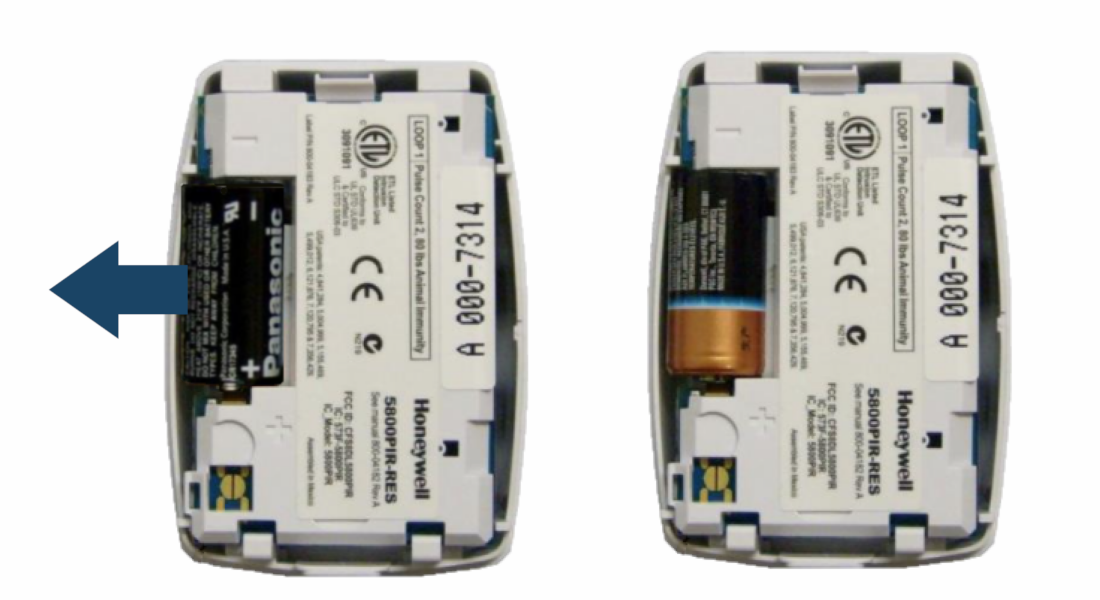
3. Return the cover to the sensor, starting with the side opposite the bottom tab, pressing closed until the tab snaps into place.
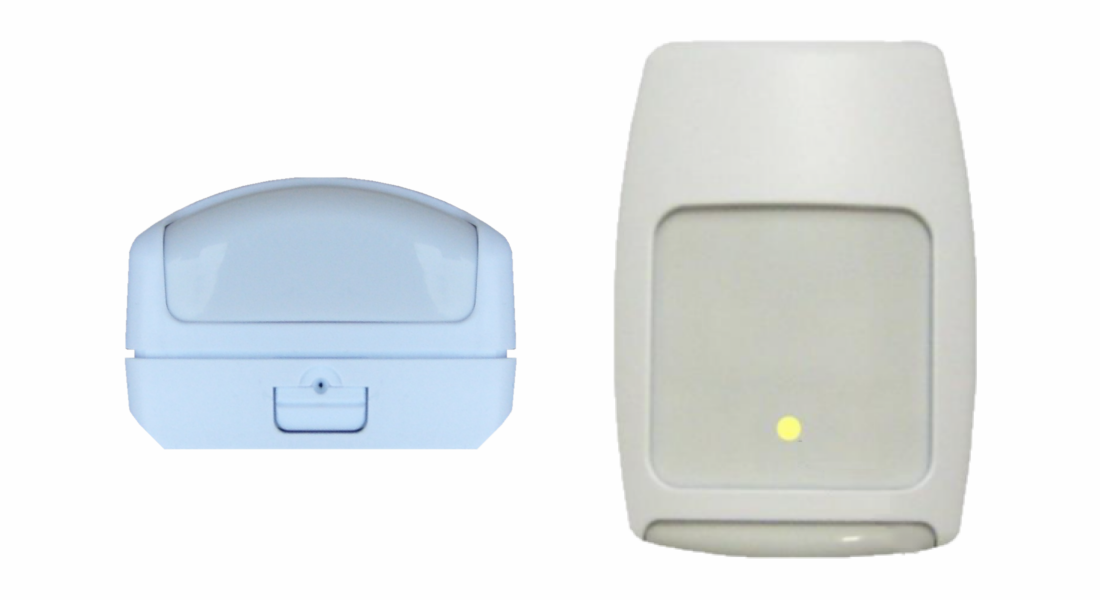
4. Check if the low battery status has cleared or go to the following link for further instructions on clearing the error from the panel memory
Honeywell 5816 – Battery Replacement Guide
This guide provides step-by-step instructions for replacing the CR123A 3V lithium battery in a Honeywell 5816 door/window sensor. A low battery condition is typically indicated on the control panel or mobile app. Replacing the battery ensures proper sensor operation and system reliability.
Battery Requirements
- Quantity: 1
- Type: CR123A 3-volt lithium battery
Available at hardware stores, supermarkets, and online retailers.
Important Safety Precautions
Please read these before you start the battery replacement process.
- System Disarm (Recommended): While changing a sensor battery usually won't trigger a full alarm, it might cause your main security panel to beep or display a sensor tamper/trouble alert temporarily. To minimize these notifications during the process, it's a good practice to disarm your security system before starting.
- Handle with Care: Be gentle when opening the sensor cover using the end latch. Avoid forcing components, which could damage the sensor casing or internal parts.
- Correct Battery Type and Polarity: Ensure you are using a new CR123A 3-volt lithium battery. When inserting the new battery, pay close attention to the positive (+) and negative (-) polarity markings inside the battery compartment and on the battery itself. Incorrect installation can prevent the sensor from working or potentially damage it.
- Dispose of Old Batteries Properly: Lithium batteries should be disposed of according to your local regulations. Do not throw them in regular household trash. Many electronics stores or local waste management facilities offer battery recycling programs.
- Avoid Short Circuits: Do not allow metal objects (like tools or other batteries) to touch both terminals of a battery simultaneously, as this can cause a short circuit.
Step-by-Step Battery Replacement Instructions
Follow these instructions to replace the battery in your Honeywell 5816 door/window sensor.
- Locate the Sensor: Identify the specific Honeywell 5816 door/window sensor that is reporting a low battery. Your main system panel or the Brinks Home™ Mobile App should indicate the zone name or number.
- Open the Sensor Cover: The Honeywell 5816 sensor typically has a latch on one of its shorter ends. Press this end latch firmly with your thumb or finger. While pressing the latch, gently pull or slide the sensor cover away from the sensor base.
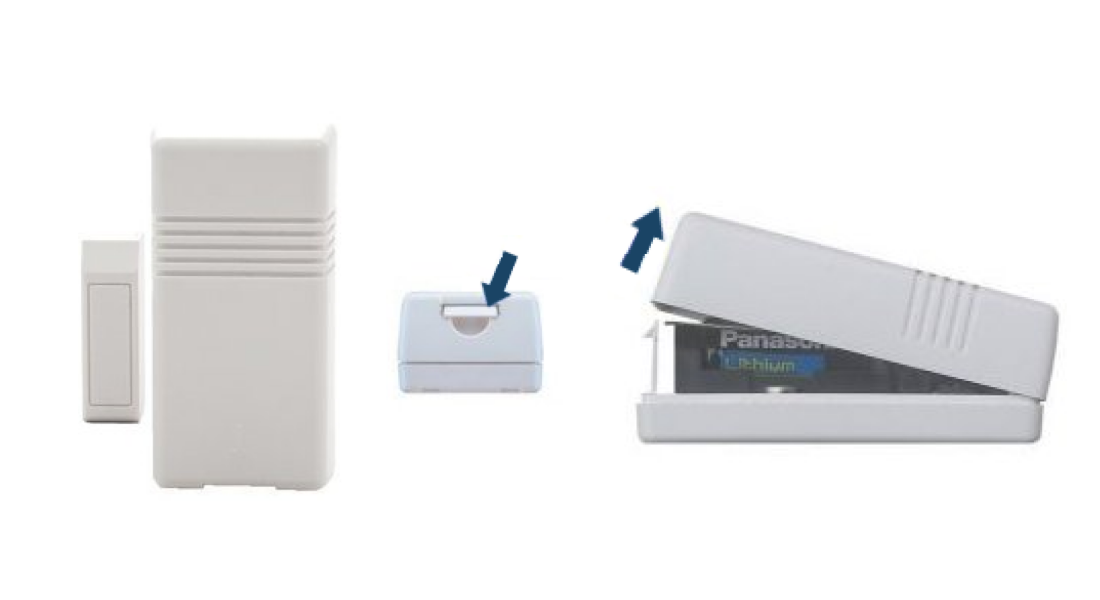
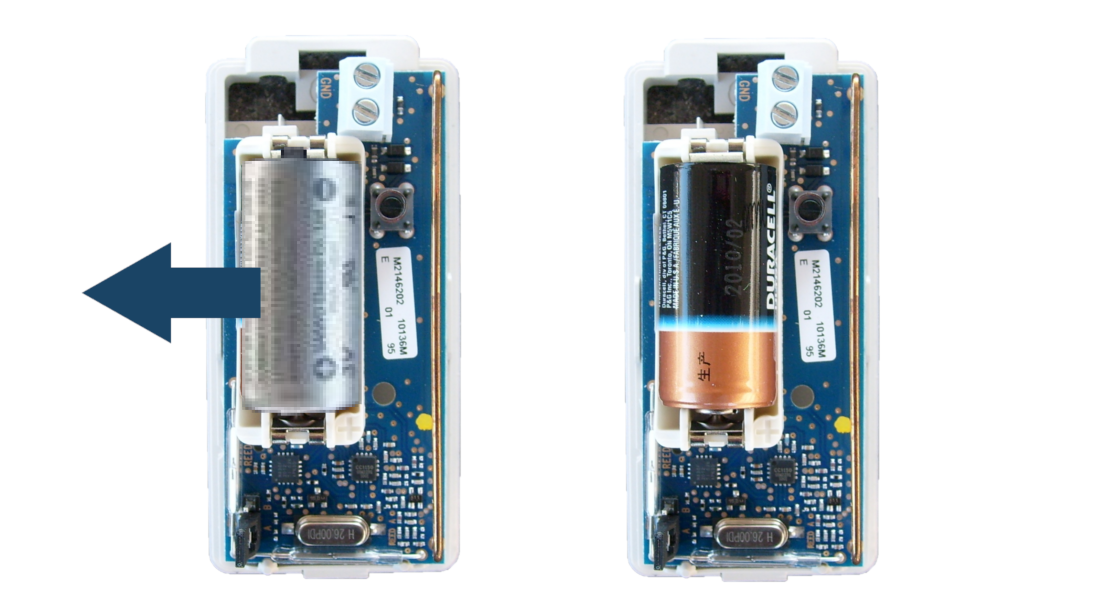
- Remove the Old Battery: Once the cover is removed, you will see the CR123A battery. Carefully take out the old battery from its compartment. Note its orientation (+/-) before removing it.
- Inspect Battery Compartment: Briefly check the battery compartment for any signs of corrosion or debris on the contacts. If present, gently clean the contacts with a dry cotton swab or a pencil eraser.
- Insert the New Battery: Take your new CR123A 3-volt lithium battery. Insert it into the compartment, ensuring you match the positive (+) and negative (-) ends of the battery with the polarity markings indicated inside the sensor. The positive end usually has a small raised nub.
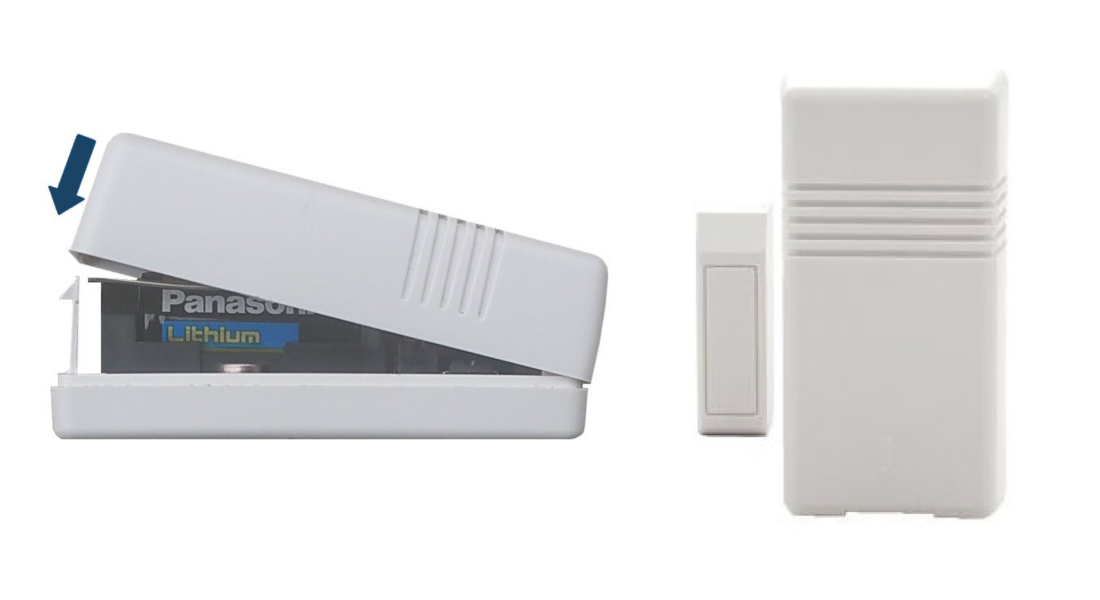
- Reattach the Sensor Cover: Align the sensor cover with the base. Typically, you'll align the side opposite the latch first, then pivot or press the cover down until the latch on the other end snaps securely into place. You should hear or feel it click.
After Replacing the Battery & Clearing Alerts
What to do once the new battery is installed in your sensor.
- Allow System to Update: After replacing the battery and closing the sensor cover, your security system panel needs to receive an updated status signal from the sensor. This can sometimes take a few minutes, or in some cases, up to an hour or a few arm/disarm cycles for the panel to fully recognize the new battery state and clear the low battery alert automatically.
- Verify Alert Clearance: Check your main security panel. If the "Sensor Low Battery" alert for the Honeywell 5816 has not cleared on its own after a reasonable amount of time (e.g., 60 minutes), you may need to manually acknowledge or clear the alert from your panel.
- Clearing Alert from Panel: The exact steps to clear an alert vary by panel model.
- For some panels, like the 2GIG GC2, instructions to manually clear alerts can be found by following specific panel procedures (your original instructions included a link: Clear Alert on GC2 Panel).
- For other panel models, consult your panel's user manual for instructions on clearing trouble alerts. This often involves entering your user code (sometimes twice) or navigating to a "Status," "Alerts," or "Messages" menu to view and acknowledge the specific low battery trouble.
- Test the Sensor: Once the low battery alert is cleared (or even if it hasn't cleared yet but you want to confirm functionality), test the sensor by opening and closing the protected door or window. Your panel should indicate the sensor's status change (e.g., by chiming if the chime feature is on and the system is disarmed, or by showing the zone as open/closed on the display).
Troubleshooting and Tips
Solutions for common issues and helpful advice for your Honeywell 5816 sensor.
"Low Battery" Alert Doesn't Clear from Panel
- Allow More Time: Give the system up to a few hours, or perform a couple of arm/disarm cycles, as some panels only update sensor battery status periodically.
- Fresh Batteries: Ensure the CR123A battery you installed is new and from a reputable brand. Even new batteries can occasionally be duds.
- Correct Polarity: Double-check that the battery was inserted with the positive (+) and negative (-) terminals correctly aligned with the markings in the sensor's battery compartment.
- Clean Contacts: If you haven't already, try gently cleaning the battery contacts inside the sensor with a dry cotton swab or pencil eraser to remove any potential film or corrosion.
- Manual Alert Clearing: Make sure you have followed the correct procedure for your specific security panel to manually acknowledge and clear old alerts.
- Re-seat Battery: Try removing the battery, waiting 30 seconds, and then reinserting it carefully.
- If the alert still persists after 24 hours and trying these steps, the sensor itself might have an issue, or there could be a problem with how the panel is receiving its status.
Sensor Not Working After Battery Replacement (Fails to Detect Open/Close)
- Verify Battery Installation: Confirm the battery is the correct CR123A type, inserted with the correct polarity, and making good contact.
- Secure Sensor Cover: Ensure the sensor cover is snapped on completely and securely. If the cover is loose, an internal tamper switch might prevent the sensor from operating or reporting correctly. This could result in a "Sensor Tamper" alert.
- Allow Initialization: After inserting the battery and closing the cover, give the sensor a minute or two to initialize before testing it by opening and closing the door/window.
- Sensor/Magnet Alignment: Check the alignment between the sensor (larger part) and its corresponding magnet (smaller part). They should be close to each other (typically within 1/2 inch or as specified in the sensor manual) when the door/window is closed, and properly aligned according to any markings.
- Physical Damage: Inspect the sensor for any visible signs of damage that might have occurred during the battery replacement process.
Tips for Optimal Performance
- Dispose of Old Battery Responsibly: Lithium batteries should be recycled according to local environmental regulations. Many electronics stores or municipal waste programs accept them.
- Keep Spare Batteries: It's a good idea to keep a spare CR123A battery on hand for future replacements, especially if you have multiple sensors using this type.
- Regular System Tests: Periodically test all your security sensors, including the Honeywell 5816, to ensure they are functioning correctly. Your main panel usually has a system test mode for this purpose.
Battery Replacement for 5820L Door/Window Sensor
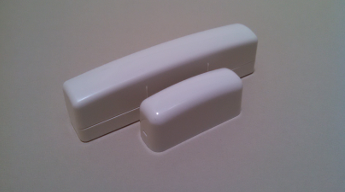
Please Note: Upon opening the alarm sensor cover, you may hear your keypad beeping. This is the tamper switch contained in certain model sensors. After you have replaced the battery, and closed the sensor cover, you will reset your system. This will silence the beeping, and clear the low battery message from the display.
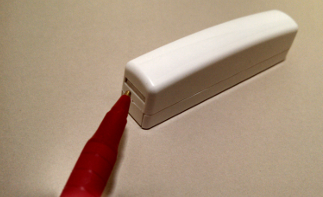
Open the cover: Depress the push tab located on the end of the sensor (see image to above). Pull end of front cover away from mounting base while pressing the tab. You can use a flat blade screwdriver to depress this tab.
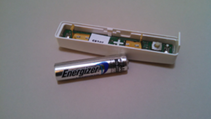
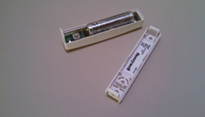
Remove old battery from sensor. The battery required for this model is a “AAA” Lithium.
Close the cover: Engage the tab at the end of the cover first (right image), then swing the cover closed. You should hear a “click” when fully closed.
Please note: Be sure you have installed a lithium battery, and not a standard alkaline. The system will register a “low battery” in a short amount of time if the improper battery is installed! You can now reset your system: Enter your 4 digit code and OFF two times. (Code + OFF, Code + OFF) Install new battery.
Glassbreak Detector Battery Replacement (Ademco/Honeywell 5853 and 5850, ShatterPro)
Always exercise caution when interacting with your battery.
- Locate the zone where the glassbreak detector low battery signal is coming from. Most systems will display a Trouble Condition and a zone number on the keypad.
- Put your system in Test Mode. This will result in a brief siren and beeping from your panel in 30 second intervals.
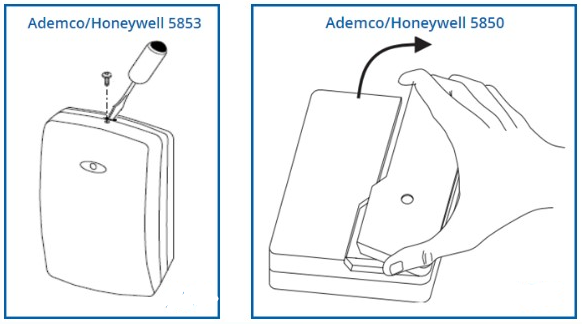
- Open the detector's cover door.
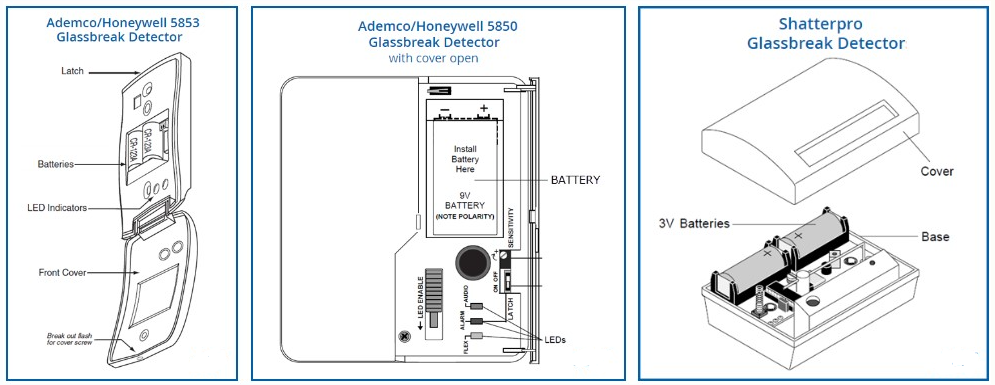
- Ademco/Honeywell 5853 (requires one CR-123A battery) : Unscrew the retaining screw on the top of the detector. Place a small flathead screwdriver into the slot at the top and twist gently.
- Ademco/Honeywell 5850 (requires one 9V lithium battery): open the right door on the device.
- Shatterpro (requires two CR123A batteries): If present, press the housing release tab on the bottom of the housing. Holding the base of the device, pull the cover straight up and off.
- Remove the old batteries. Some devices may have two batteries. If this is the case, make sure you remove and replace both batteries at the same time.
- Wait 30 seconds after removing the old batteries.
- Install the new battery. Pay close attention to the direction of the (+) and (-) signs to ensure proper installation.
- Replace the cover on the device. Reattach any screws, as needed.
- Wait 30 seconds for the device to power up.
- Verify that the Low Battery condition for the zone is no longer displayed on the keypad. Reset the keypad, if needed
- Remove your system from Test Mode.
- Recycle the old battery. To find a recycler, visit Call2Recycle.org. Returning a battery to a recycler on this site is free of charge and will ensure that the battery is recycled according to regulatory requirements.